

What to Expect When You’re…Inspecting?

We found the perfect home for the next year, you’re moving in, and the apartment community gives you a packet of papers including move-in information, a welcome letter, information regarding utilities, and a paper called the “inventory and conditions form.” What now?

Photo by Kelly Sikkema on Unsplash

The form referenced here is of extreme importance in keeping your deposit upon move out assuming you went for the refundable deposit option–more on that later! The TAA Inventory and Conditions Form is a form that allows new lessees to document the state of their apartment that the community will use as a reference to check the condition of your home when you move out, whether thats one, two, or 5 years from the date you fill it out. See below for our main tips on completing this form!

TAA Inventory & Conditions Form Best Practices:

  • Per TAA contract, the lessee has 48 hours to return the inventory and conditions form to the landlord/management. It is recommended that before move in, you fill out this form, and then immediately turn it in after running through your diagnosis of the apartment’s condition.
  • When in doubt, write it out!
    • Do NOT be shy about what you do and do not put on this form–if you feel like something is there, like a scratch on the vinyl or a ding on the refrigerator–document it.
  • Test each and every light bulb in your new home
  • Test all fans
  • Test hot water in every bathroom and sink
  • Test all safety equipment such as fire alarms, fire extinguishers (up to date), and be sure that all locks and peepholes are in working condition.
  • Run the dishwasher on a cycle and be sure the water is getting hot
  • Run your AC/Heater to test that both are working– you don’t want to find out the heater isn’t working on the first freeze of the year!
  • Once finished with your form, be sure and take a picture of it for your records. In the event that there are any discrepancies with getting your deposit back upon move-out, you can refer back to this document.
  • When turning in the document, be sure that it is signed by both you AND the manager/landlord of the property

It is important to note that not all leases will use this exact conditions form. Some lessors choose to use their own lease form, and thus will use their own inventory and conditions form as well. However, the TAA Contract and inspection form is the most widely used form in Texas and is a great standard to go off of and consider when assessing the state of your new home.
Pros & Cons of Different Apartment Styles

Garden Style? Midrise? Highrise? Have you ever wondered about the different styles of apartment living and what they have to offer? Use this guide to define what style community works for YOUR unique lifestyle.

Garden Style Apartment Complex

Garden style apartment complexes are defined by their multi-building layout. Hallways are typically not enclosed from the outdoors, and often appear as breezeways. In the state of Texas, Garden Style communities can be no more than 3 stories due to stair-only access, not including sub-level floors.

Pros:

  • Greater sense of privacy when compared to Midrise and Highrise Complexes due to generally less units in each building
  • Often seen as the having most amount of amenities due to less people using them and more space to include them within the property
  • Of apartment complexes specifically, Garden Style Communities tend to be the most cost-effective
  • Often located in a more suburban environment away from the city due to the space needed for development, giving it a more open and green feel often surrounded by nature

Cons:

  • Further away from the city center, often making it more challenging for an inner-city worker’s commute
  • Due to general garden-style infrastructure, less sound insulation between floors
  • Stairs the only options to access upper floors, making it less accessible for people with disabilities
  • For many, garden style communities are often deemed a less social environment due to the greater amount of privacy, creating less of a community-type feel

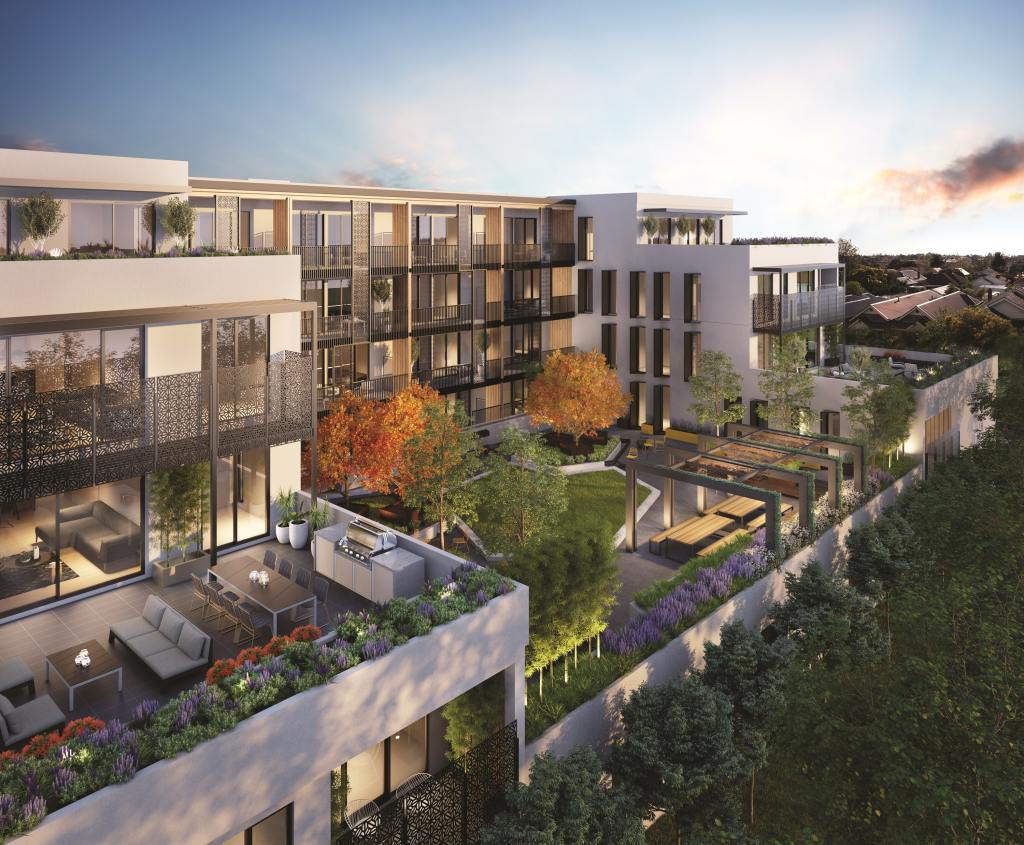
Midrise Apartment Complex

Midrise Communities are a happy medium between the pros and cons of Garden style and Highrise communities. Usually either located in the city center or just around it, Midrise communities offer a more social experience for significantly less than a high rise community. A Midrise can be anywhere from 4-11 stories in height, making elevators a requirement within the state of Texas.

Pros:

  • A happy medium in terms of location from the city center. Either right in the action, or just outside of the city, making commute times typically less than smaller options.
  • Some might consider Midrise options more sociable communities, with a more tight-knit community feel
  • In many cases you will find them newer with more modern interiors, leading to a more upscale or luxurious experience
  • Parking garages are often an included feature within Midrise communities, providing guaranteed parking and shelter for your vehicle.

Cons:

  • Amenities are often shared with a greater amount of people, making them less consistently accessible
  • Reduced privacy due to the amount of occupants within this style community
  • Higher cost associated with Midrise communities due to newer interiors and proximity to the city center
  • Ease of dog ownership significantly reduced due to less dog-oriented amenities

Highrise

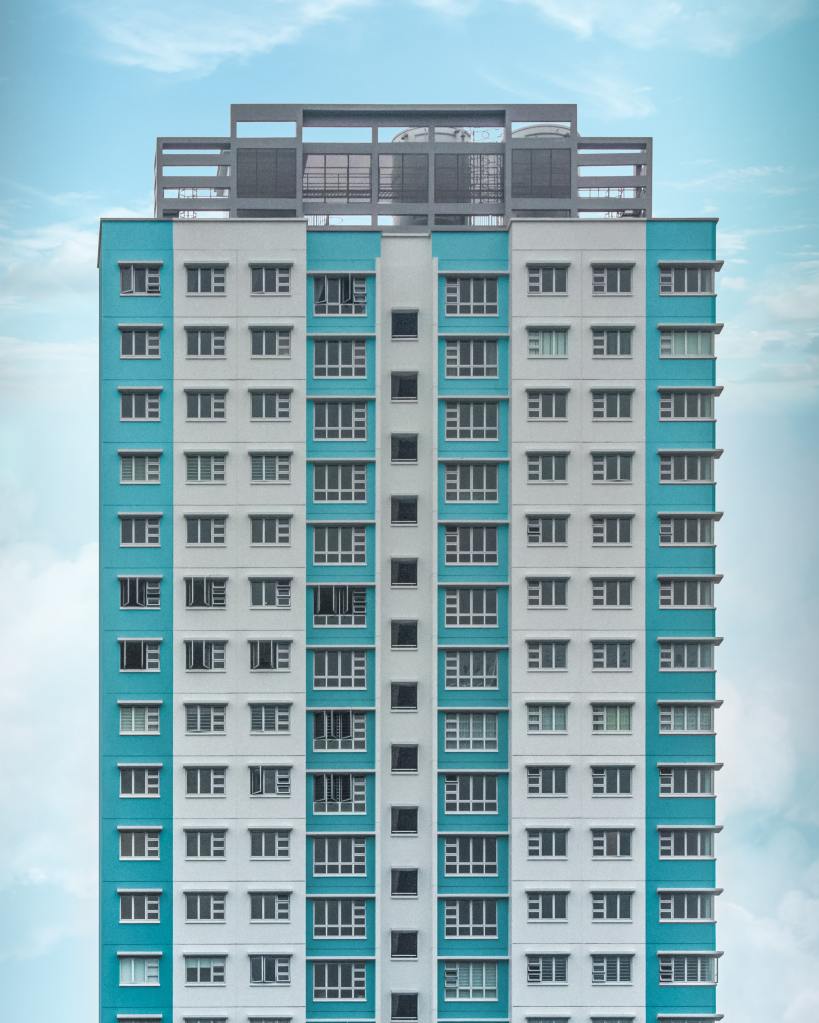
Highrise buildings are typically classified as having atleast 12 floors and will generally only be found in the city center. Life in these communities is centered around urban living, with residents often choosing these locations due to proximity to their downtown workplaces.

Pros:

  • Within the city center, ease of access to downtown establishments for ease of commute to inner-city workers
  • Generally within walking distance to life’s necessities such as groceries, food, and fun.
  • High rise buildings will typically have 24 hour concierge for things such as package delivery, guest intake, and general community management.
  • Often associated with the highest amount of luxury a city can offer

Cons:

  • Often associated with high monthly fees such as parking costs, added amenity fees, boiler system fees, etc.
  • Less privacy due to elevators as a main source of access to and from ones apartment
  • Dog ownership even more challenging than Midrise due to a lack of dog-oriented amenities
  • Generally the highest cost of living in the rental world
Now that you know what each type of community has to offer, be sure to discuss this with your locator and let them know what will best fit your needs in your new home! No matter what you choose, there are great apartment home options for any style of apartment complex that we cant wait to share with you! 

Ready to get started? Click HERE to provide the information for what you are looking for in your next home! Be sure to write “locator Josh Gray” in the optional messages at the bottom of the form.

Pros & Cons of Leasing Privately Owned Residences

Much like different styles of apartment homes, there are a couple of things to consider if you are searching for something out of the scope of apartments. Here you will find some pros and cons of each to consider in your search!

Single Family Residence

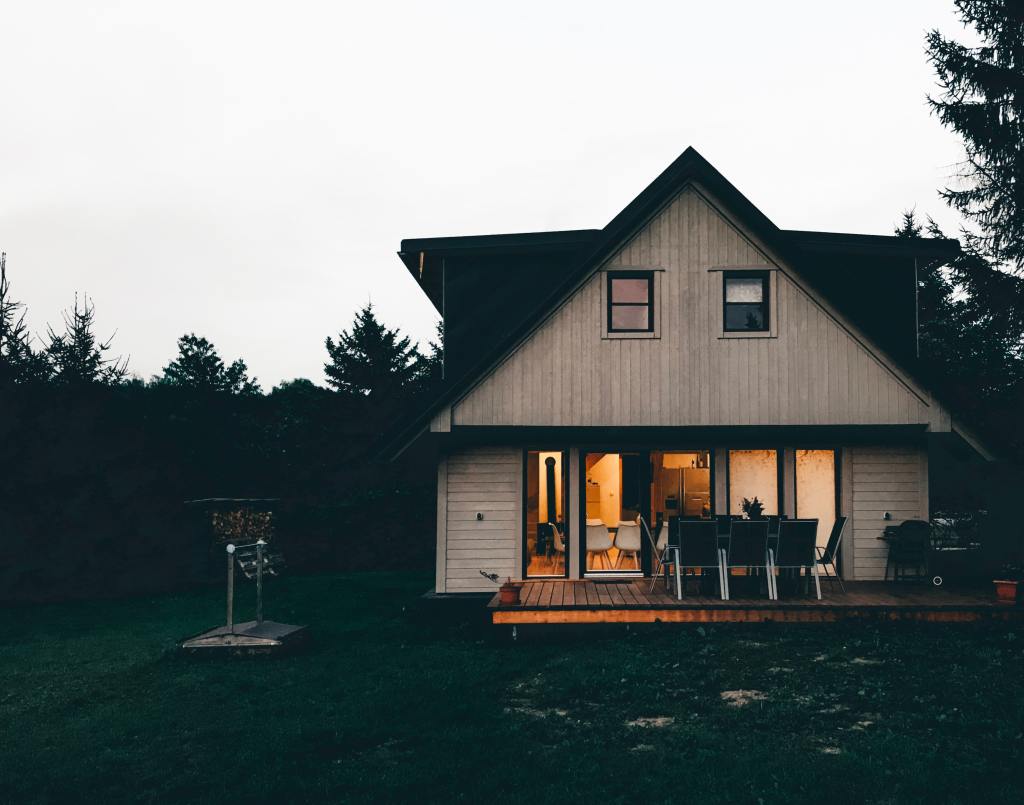
Single Family Residences are homes meant to house one set of individuals. You will find this type of residence all throughout a city, but in higher concentrations in the suburban areas surrounding them. Single family residences are a great option when space is a necessity in your lifestyle.

Pros

  • Greatest amount of privacy in any housing option providing what might be considered a more peaceful atmosphere
  • Yards typically an expected feature, making pet ownership considerably easier
  • Garages typically associated with single family residences
  • Depending on the location and level of update, single family homes can often provide the closest rivalry to the luxury of highrise living

Cons

  • High variability in cost depending on location, space, and level of updates
  • Generally the lessee is expected to maintain the landscaping in a single family rental
  • Due to private ownership, single family residences often are associated with longer turn around with maintenance concerns
  • Much higher cost of monthly utilities such as electric, water, and trash.

Duplex & Fourplex

Duplex Apartments often appear as single-family homes yet are a multi-family residence with 2 separate wings of the home and still offer a significant amount of space.

Pros:

  • Often lower cost than renting a single family residence
  • Increased privacy as opposed to larger apartment complexes
  • Less oversight from management
  • In most cases, yards are included in bottom floors

Cons:

  • Immediate maintenance concerns often take longer to resolve
  • Often no included amenities (pool, clubhouse, package lockers, etc)
  • Much higher cost of monthly utilities such as electric, water, and trash.
  • Landscaping and yard maintenance is often left to the lessee
Ready to get started? Click HERE to provide the information for what you are looking for in your next home! Be sure to write "locator Josh Gray" in the optional messages at the bottom of the form.